
If you have ever been asked to submit official documents for use in another country, you may have come across the term apostille and wondered, what is an apostille and why does it matter. It is a common requirement for international legal, business, educational, and personal matters, yet many people do not fully understand the process until they need one.
This guide explains what is an apostille and what is an apostille used for, how the apostille process works, which documents may require one, and why working with an experienced professional can help you avoid delays.
What Is an Apostille?
An apostille is a form of authentication issued for public documents so they can be recognized in another country that participates in the Hague Apostille Convention. In simple terms, an apostille verifies that a document is legitimate and that the signature, seal, or stamp on it is authentic. The Secretary of State’s office issues apostilles for state documents, while the U.S. Department of State issues apostilles for federal documents.
When people ask, “what is an apostille”, they are usually trying to understand how a U.S. document can be accepted abroad. An apostille does not validate the contents of a document. Instead, it certifies the authenticity of the official signature or seal attached to that document. Apostilles are issued only for documents intended for use in countries that are part of the Hague Apostille Convention, which simplifies the authentication process for international use.
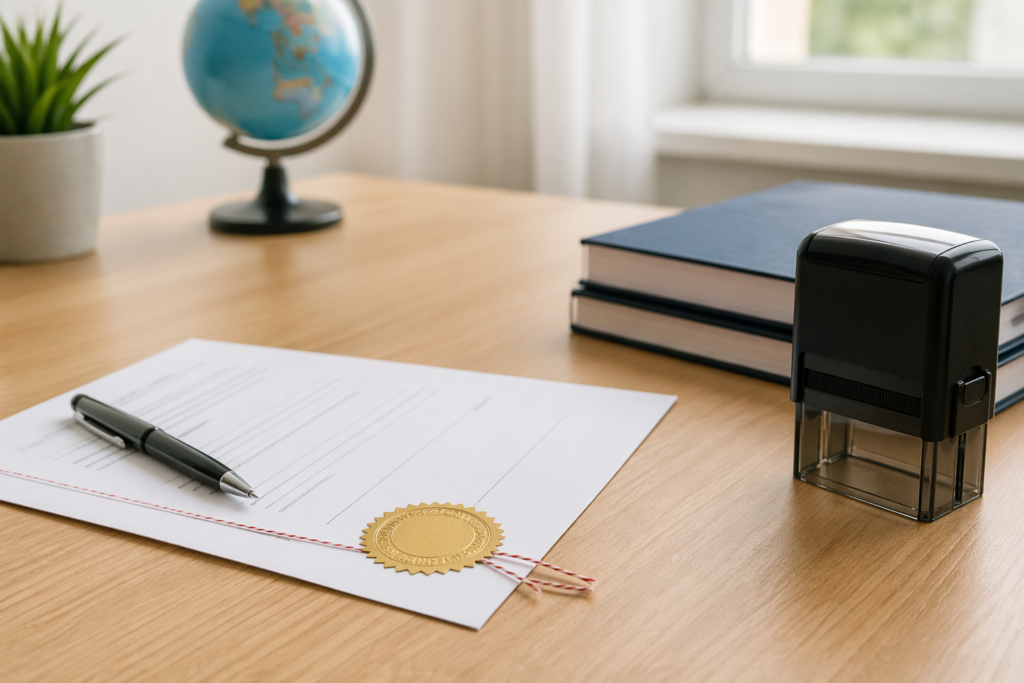
For example, an apostille may be attached to a birth certificate, marriage certificate, diploma, power of attorney, or notarized affidavit so that the document can be used in another country.
There are two main categories of apostilles in the United States:
State Apostille
A state apostille is typically issued by the Secretary of State in the state where the document originated or was notarized. This is common for California birth certificates, notarized affidavits, powers of attorney, and many business records.
Federal Apostille
A federal apostille is required for certain federally issued documents, such as FBI background checks or other federal records. This process can take significantly longer if handled without professional assistance, which is one reason many people seek help from an experienced apostille service provider.
What Is an Apostille Used For?
Another common question is, “what is an apostille used for”? Apostilles are used when a person or business needs to present U.S. documents in a foreign country for official purposes.
An apostille is often required for:
- International marriage applications
- Dual citizenship or ancestry applications
- Adoption paperwork
- Foreign real estate transactions
- Studying abroad
- Teaching or working overseas
- International business agreements
- Immigration-related supporting documents
- Probate and estate matters involving another country
- Powers of attorney used abroad
If a country is part of the Hague Apostille Convention, the apostille helps ensure the document will be accepted there without needing further legalization through that country’s embassy or consulate.
How an Apostille Works
To better understand what an apostille is used for, it helps to know how the process works. The apostille process generally involves confirming that the document was properly issued or notarized before it is authenticated by the appropriate government authority.
Depending on the type of document, the apostille may be issued by:
- The Secretary of State for state-issued or state-notarized documents
- A federal agency for certain federal documents
- The U.S. Department of State for federal apostille processing in some situations
For California documents, the apostille is typically handled through the California Secretary of State once the document meets all requirements.
Types of Documents That May Need an Apostille
Many different personal, academic, legal, and corporate documents may require an apostille. Common examples include:
Personal Documents
- Birth certificates
- Death certificates
- Marriage certificates
- Divorce decrees
- Single status affidavits
Educational Documents
- Diplomas
- Transcripts
- Enrollment verifications
- Teaching credentials
Business and Corporate Documents
- Articles of incorporation
- Certificates of good standing
- Corporate resolutions
- Business contracts
- Trademark documents
Legal and Notarized Documents
- Powers of attorney
- Affidavits
- Permission letters for travel
- Estate documents
- Copies of passports or IDs when properly notarized
Because each document type can have different requirements, it is important to make sure it is prepared correctly before submitting it for apostille.
Why You Might Need an Apostille
If you are dealing with an international matter, you may need to prove that your U.S. document is authentic. That is exactly what an apostille is used for. It provides a recognized certification that allows foreign authorities to trust the legitimacy of your paperwork.
You may need an apostille if you are:
- Moving to another country
- Getting married overseas
- Handling international inheritance matters
- Opening a business abroad
- Applying for a visa or residency
- Sending school records internationally
- Granting legal authority to someone in another country
Without the proper apostille, your documents may be rejected, which can lead to delays, missed deadlines, and added frustration.
Apostille vs. Notarization: What Is the Difference?
People often confuse notarization with an apostille, but they are not the same thing.
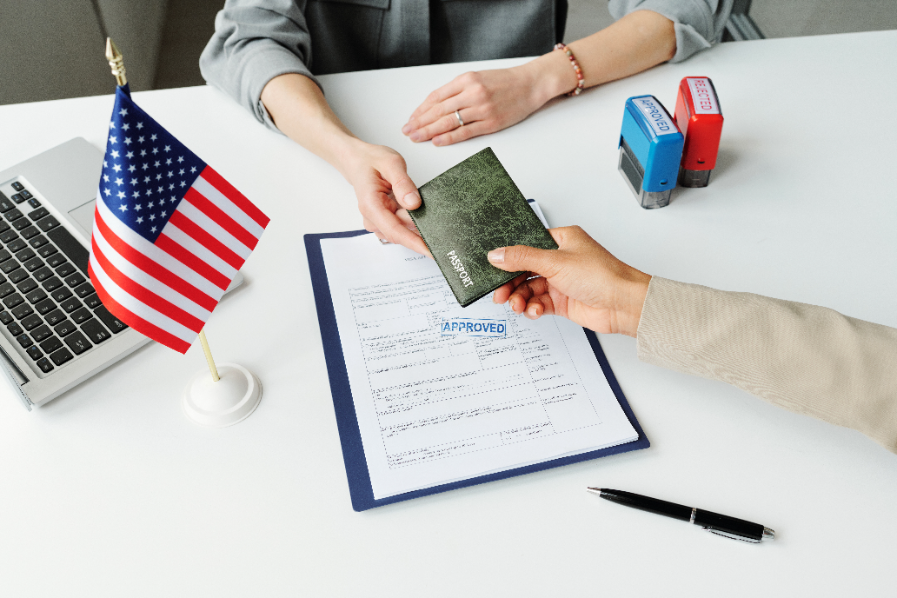
A notarization is performed by a notary public, who verifies identity and witnesses the signing of certain documents. An apostille is issued afterward by the appropriate government authority to authenticate the notary’s signature or the official signature on a public document.
In many cases, a document must first be notarized before it can be submitted for apostille. That is one reason it is helpful to work with a knowledgeable notary professional who understands both steps.
How to Get an Apostille
The steps to get an apostille can vary depending on the document and where it was issued, but the process usually looks like this:
- Identify the document that needs international authentication.
- Confirm whether the destination country accepts apostilles.
- Make sure the document is properly notarized or certified.
- Submit the document to the correct state or federal authority.
- Receive the apostille attached to the original document or certified copy.
Because rules can differ between California documents, out-of-state documents, and federal documents, professional guidance can save significant time and reduce mistakes.
Special Considerations
When preparing documents for apostille or authentication, it’s important to be aware of the specific requirements set by the destination country and the issuing agency. Certain documents, such as vital records, court documents, and federal documents, may have unique submission processes or require additional authentication steps. For example, the California Secretary of State’s office has detailed guidelines for submitting important documents like birth certificates and powers of attorney for apostille.
Security is also a top priority, especially for sensitive documents. Many offices require a security check before processing, and accepted payment methods can include credit card payments or money orders. Additionally, the county clerk’s office may need to verify the notary’s commission before the Secretary of State can issue an apostille. For federal documents, the Department of State often handles the authentication process, which may involve different forms and submission procedures.
Understanding these special considerations—such as which office to contact, how to prepare your documents, and what payment methods are accepted—can help ensure your documents are authenticated efficiently and accepted in the destination country.
Why Professional Apostille Assistance Matters
When deadlines are tight, professional apostille support can make a major difference. Whether you are handling personal paperwork or urgent business documents, working with an experienced service can help streamline the process and minimize avoidable setbacks.
Benefits of using apostille assistance include:
- Better understanding of document requirements
- Faster identification of errors before submission
- Help with notarization when needed
- Guidance for California, out-of-state, and federal documents
- Less stress during time-sensitive situations
This is especially valuable when you are trying to answer not just what is an apostille, but also what is an apostille used for in a way that actually helps you complete your transaction successfully.
How VIP Notary Services in Santa Monica Can Help
At VIP Notary Services, we help clients navigate the apostille process with efficiency, professionalism, and convenience. We are a California-certified traveling mobile notary serving Santa Monica, West Los Angeles, and all surrounding neighborhoods, making it easier for individuals, families, and businesses to get the notarization and apostille support they need without unnecessary hassle. We also offer same-day apostille services by appointment, giving our clients a fast and dependable option when time matters most.
Our team understands how confusing and time-consuming apostille requests can be, especially when dealing with multiple agencies or strict submission requirements. VIP Notary Services can help facilitate and expedite the process not only for California apostilles, but also for all 50 states, including federal apostille services. Federal apostille processing can otherwise take an exceptionally long time, but we have a way to help expedite that process and move things forward more efficiently for our clients.

Contact VIP Notary Services for Same-Day Apostille Assistance
By now, you should have a clear understanding of what is an apostille and what is an apostille used for. In short, an apostille is an official certification that helps documents issued in the United States get recognized in another participating country. It is commonly used for personal, academic, legal, and business matters that cross international borders.If you need help with apostille services, notarization, or expediting documents in California, across all 50 states, or at the federal level, contact VIP Notary Services today. We are here to help you simplify the process, avoid costly delays, and get your documents handled properly the first time.
FAQs
No, not all countries accept an apostille. Apostilles are only used for countries that participate in the Hague Apostille Convention, while non-member countries may require a different legalization process through an embassy or consulate.
Yes, documents issued in any U.S. state can generally be apostilled through the proper issuing authority in that state. This means the apostille must usually be obtained from the state where the document was notarized or officially issued.
Some documents must be notarized before they can receive an apostille, while others must be certified copies issued by a government agency. Whether notarization is required depends on the type of document and where it was originally issued.
The time it takes to get an apostille can vary depending on the state, the type of document, and whether the request is handled at the state or federal level. Some apostilles can be processed quickly, while federal apostille requests can often take much longer without professional assistance.
In some situations, yes, same-day apostille service may be available depending on the document and jurisdiction. VIP Notary Services offers same-day apostille services by appointment to help clients in Santa Monica, West Los Angeles, and surrounding areas move through the process faster.